
1/114 Merrindale Dr
Croydon South, VIC 3136
(03) 8799 2974

When it comes to kitting out your 4x4’s winch, the choice of rope can make a real difference. Saber Offroad’s 10mm winch ropes come in two flavors: a single braided rope and a double braided rope – both made from the company’s high-strength SaberPro® synthetic fiber. At first glance, they look similar in diameter and are far safer and lighter than old-school steel cables. But under the surface (literally, in the case of the double braid), these ropes have some key differences. In this article, we’ll compare the single vs. double braided SaberPro ropes in terms of initial breaking strength, abrasion and UV durability, long-term strength retention, cost, and practical usage tips. By the end, you’ll understand why Saber Offroad often recommends the double-braided rope for heavy use, even though it starts with a slightly lower strength on paper, and you’ll be able to choose the right rope for your off-road adventures with confidence.
If sheer pulling power is your top priority right out of the box, the single braided rope takes the lead. The 10mm single braided SaberPro rope has an impressive minimum breaking strength around 9,500 kg (approximately 9.5 tonnes, or 21,000 lbs). In contrast, the double braided SaberPro rope of the same 10mm diameter is rated at about 8,000 kg (8.0 tonnes, or 17,600 lbs) minimum breaking strength. In practical terms, the single braid gives you roughly an extra tonne and a half of strength when brand new.
Why the difference? The answer lies in construction. A single braid rope is essentially all core – the full 10mm thickness is composed of load-bearing SaberPro fiber strands. The double braided rope, however, has a two-part construction: a strong 9mm inner core made of SaberPro fiber, wrapped in a 1mm thick outer braided jacket (also SaberPro fiber) that serves as protection. This means the double braid’s core – the part actually taking most of the load – is a bit thinner than the single braid rope’s equivalent. So, on day one, the single braided rope can handle a higher peak load before breaking.
It’s worth noting that both ropes offer plenty of strength for typical winching scenarios. An 8,000 kg break strength still exceeds the needs of most electric winches (which often have pulling forces in the 4,000–6,000 kg range) with a healthy safety margin. Meanwhile, 9,500 kg gives extra headroom, which some competitive off-roaders might appreciate. If you’re counting maximum numbers, the single braid wins this round. But breaking strength isn’t the whole story – especially once you start using the rope in the real world.
Off-road recoveries can be brutal on gear – winch lines get dragged over rocks, roots, and abrasive terrain, and they bake in the sun on your bull bar when not in use. Here, the double braided rope really shines with its built-in armor: that outer braided sheath. This 1mm thick outer jacket acts like a shield for the inner core. As you winch over rough surfaces or through a fairlead, the outer braid takes the friction and abuse, protecting the load-bearing inner fibers from direct abrasion. In essence, the double braid rope sacrifices its skin so the core lives on unharmed. You’ll likely notice the outer layer of a double braided rope fuzzing up or getting scuffed over time – that’s normal wear and a sign that it’s doing its job. The beauty is that this damage stays mostly superficial, while the inner 9mm core remains largely intact and strong.
By comparison, a single braided rope has all its fibers exposed. There’s no separate jacket – the rope you see is what you get. Saber Offroad does mitigate this by including a removable 2-meter protective sleeve with their single braided winch rope. This heavy black polyester sheath can be slid onto any section of the rope where you anticipate abrasion (for example, wrapping around a tree trunk or over a rock). It’s a smart addition that lets you cover the rope’s most vulnerable points during a pull. However, the sleeve only protects a portion of the rope at a time. The rest of the line is still a bare single braid, so any un-sleeved section that rubs against rough terrain can get frayed or cut. It requires a bit more attention from the user to always place the sleeve correctly, whereas the double braid rope has 100% of its length automatically protected by its jacket.
When it comes to UV exposure, the double braided rope again has an edge. The SaberPro fiber (like other synthetic HMPE fibers) is strong but can gradually degrade with long-term exposure to harsh sunlight and UV rays. In the double braid, the outer layer takes the UV beating first, shielding the inner core from direct sun. Even if UV causes some superficial fading or weakening of the jacket over the years, the core underneath stays stronger. The single braided rope, on the other hand, has every strand exposed to sunlight. SaberPro fiber is engineered for durability and likely has UV inhibitors, but with a single braid the full rope is getting sunlight whenever it’s out. If you frequently wheel in sunny, desert-like conditions or store your vehicle outside with the winch line on the front, the double braid’s extra layer could mean a longer lifespan. (It’s still a good idea with either rope type to keep a winch cover on or at least respool the line in and out occasionally, so the same section isn’t always on top catching UV rays.)
In short, for abrasion resistance and UV durability, the double braided 10mm rope clearly offers more all-around protection. Its outer sheath is like a built-in insurance policy against the nicks, cuts, and sun damage that can prematurely age a winch rope. The single braid isn’t defenseless – thanks to the movable sleeve and careful use – but it relies more on user diligence to avoid damage during recoveries.
This is where Saber Offroad’s stance on these ropes really comes into focus. While the single braided rope starts off stronger, the double braided rope is designed to stay stronger in the long run. Because of its protective jacket, the double braid tends to retain a higher percentage of its original strength after many uses. Think of it this way: every winch recovery you do inflicts a little bit of wear and tear on your rope. Perhaps some fibers get abraded, or a bit of dirt works its way in, or the sun beats down on it during a summer trail ride. With a single braid, any damage or strain is affecting the primary load-bearing strands directly. Over time, a well-used single braided rope might no longer break at 9,500 kg; maybe it’s effectively down to 8,000 kg or less if it’s frayed in spots. Its “like-new” advantage in strength diminishes with each hard recovery.
In contrast, a double braided rope has a sacrificial layer to take those abuses. The outer braid might look a little fuzzy or faded after months of use, but the inner core is still relatively pristine. As a result, even though it started at 8,000 kg, it might still break close to 8,000 kg after lots of use because the core hasn’t been significantly weakened. The single braid that started at 9,500 kg could potentially drop below that if it’s been roughed up. Saber’s position – and a key point for users – is that the double-braided rope becomes the stronger choice long-term precisely due to this durability factor. In real-world terms, a double braid rope can outlast and outperform a single braid when both have seen heavy action on the trails.
Another aspect of long-term use is how the ropes handle repeated stress and bending. The double braided construction can distribute loads between the core and sheath and may handle shock loads or sharp bends a bit better, since the outer braid takes some friction and can slide slightly over the core. The single braid is one solid piece, so bending it over a sharp edge under load (for instance, a rough rock) immediately stresses those fibers. Over many cycles of winching, the double braided rope’s core is less directly stressed by surface wear, which contributes to maintaining its strength.
To put it simply: if you rarely use your winch and mostly want maximum pull strength on paper, the single braid will serve you fine and will likely be plenty strong for a long time with light use. But if you’re often winching out of tough spots, competing in winch challenge events, or just want a rope that stays reliable after lots of hard recoveries, the double braided rope is likely to have a higher effective strength after months or years of abuse. It’s the rope that “ages” more gracefully. Many experienced off-roaders consider the double-braided SaberPro rope an investment in longevity – it might start a bit behind in kg rating, but after a dozen muddy, abrasive extractions, it could very well be ahead of a similarly used single braid in terms of integrity.
Cost is always a factor when choosing gear. The double-braided SaberPro rope does cost a bit more than the single-braided version. The difference isn’t astronomical – generally on the order of perhaps 10–20% higher price for the double braid of the same length. For example, at the time of writing, Saber Offroad’s 30-meter (100 ft) 10mm double braided winch rope retails around $340 AUD, whereas the single braided 10mm rope of the same length is roughly $300 AUD. In other markets or currencies, the gap may vary, but expect to pay a premium for that extra layer of protection and the more complex construction of the double braid.
What do you get for the extra cost? As we’ve outlined, you’re paying for greater durability and potentially a longer service life. If you are an avid off-roader who uses the winch frequently or in harsh conditions, the double braided rope could save you money in the long run – you might not need to replace it as often as a single braided rope that’s been worn down by use. It’s similar to buying a heavy-duty tire that costs a bit more but lasts longer under tough driving; the initial outlay is higher, but you get more use before needing a replacement.
On the flip side, if you’re on a tight budget or your winch is more of a safety net that you only occasionally use, the single braided rope offers a slightly more affordable way to get a high-performance synthetic line on your winch. It still uses the same SaberPro fiber and will perform excellently; you just have to take a bit more care to protect it during use. For many recreational 4x4 owners, the cost savings may be worth it if they don’t anticipate heavy wear on the rope. Plus, Saber Offroad includes that protective sleeve with the single braid for a reason – they want you to have a way to guard it in the situations that matter, potentially extending its life so you get solid value out of it.
In summary, double braided ropes are a bit more expensive up front, reflecting their added material and engineering. But they offer better long-term value for frequent users due to their longevity. The single braided rope is the budget-friendly choice that still delivers top-tier strength, especially suitable if your usage is light or if you’re willing to be meticulous in caring for it. There’s no wrong choice here – it’s about matching your investment to your needs.
Regardless of which rope you choose, following best practices will ensure you get the most performance and lifespan out of it. Here are some practical usage tips tailored to each type of winch rope:
For Single Braided Ropes:
For Double Braided Ropes:
General Advice (Both Rope Types): After use, it’s wise to spool the rope neatly back onto the drum and secure the winch hook or winch shackle properly. Avoid leaving several meters of rope exposed to sunlight for long periods when not in use – spooling it all the way in (or using a winch cover/bag) will keep UV exposure to a minimum. Both single and double braided ropes benefit from being stored out of direct sun and away from harsh chemicals or extreme heat sources. Lastly, always follow safe winching practices: use a winch damper if appropriate, don’t exceed the rope’s rated capacity, and replace the rope if it’s taken any life-threatening damage or after a few years of heavy service.
Both the single braided and double braided 10mm SaberPro winch ropes are high-quality upgrades for any winch, and each has its place in the off-roader’s toolkit. To sum up the comparison:
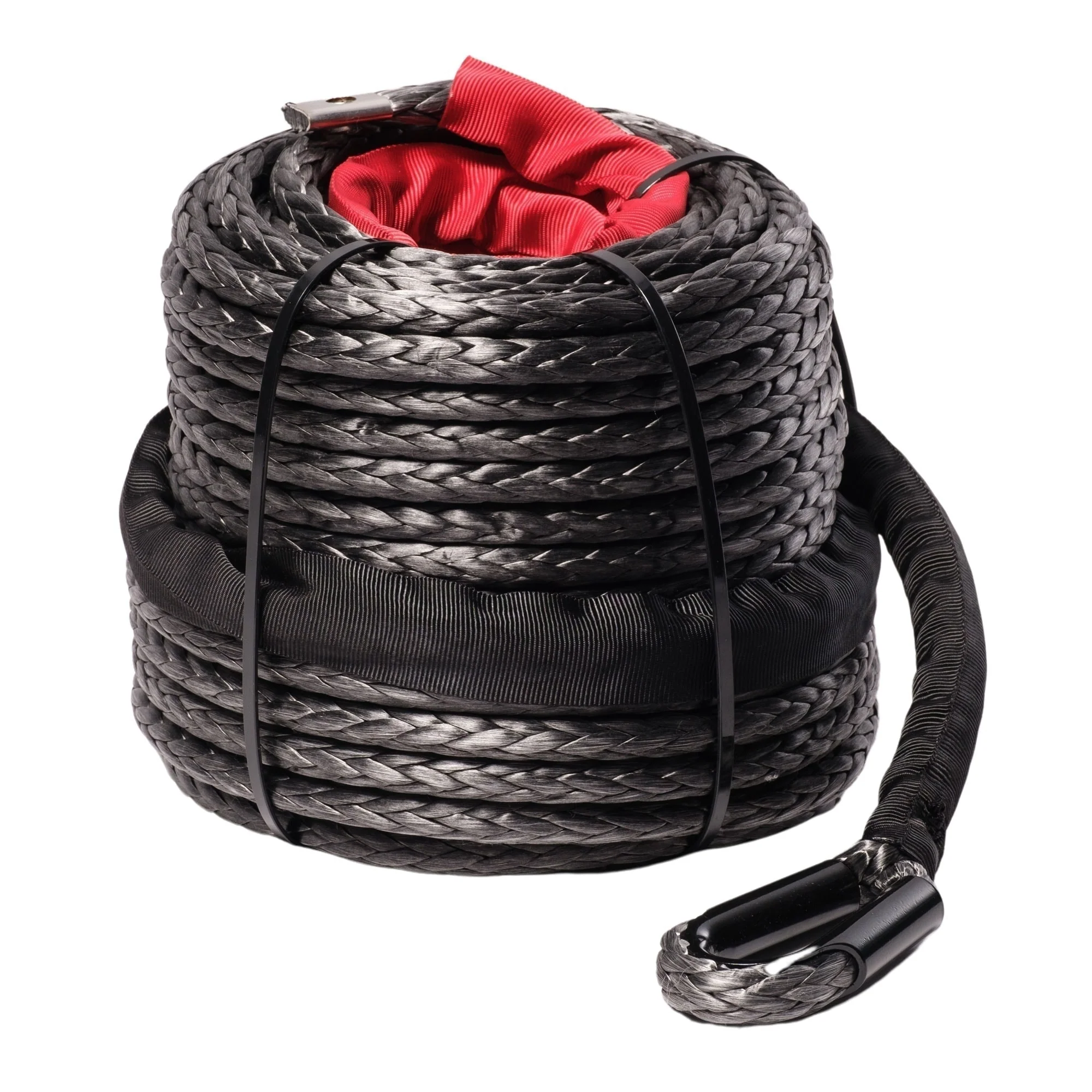
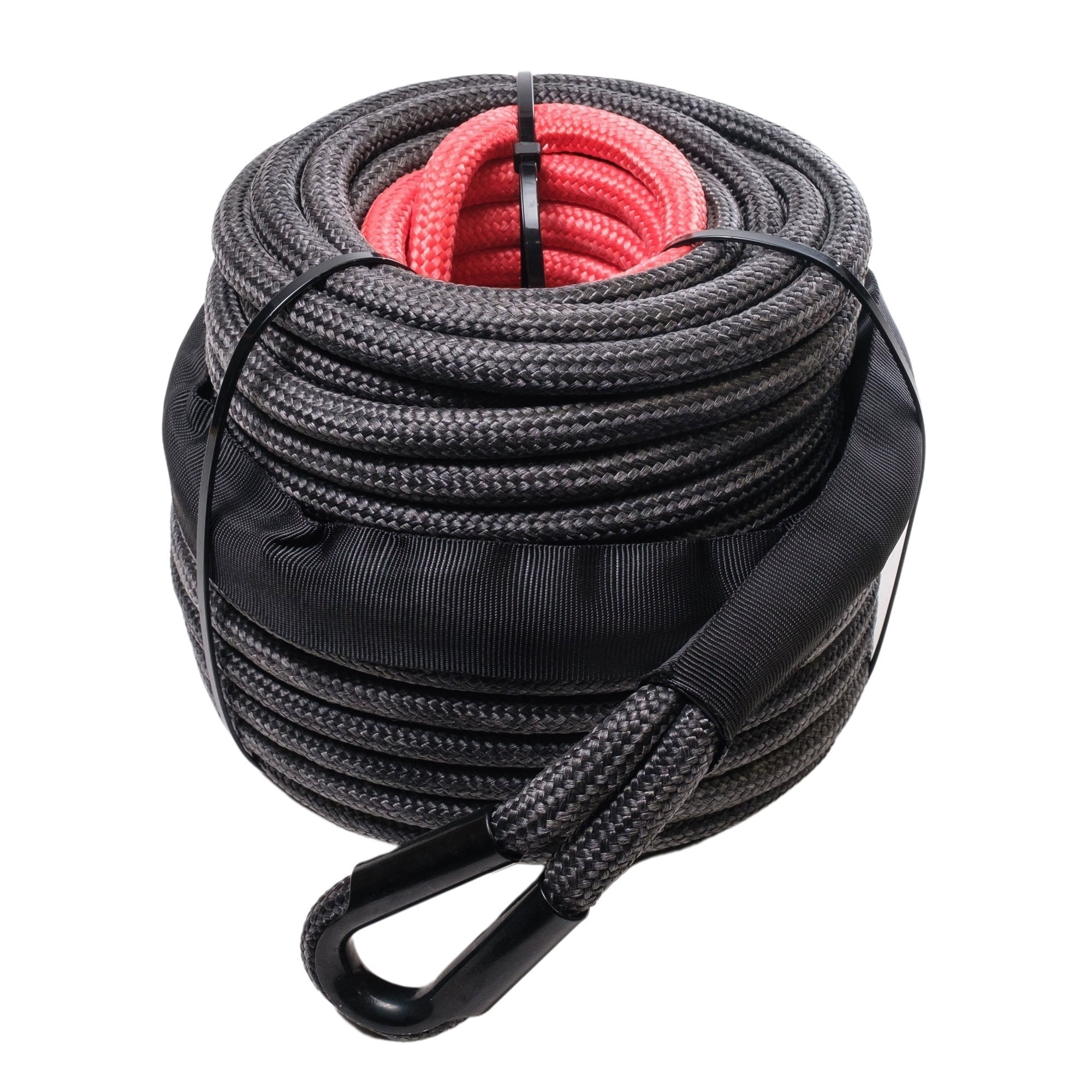
In Saber Offroad’s own view, the double-braided winch rope becomes the stronger choice over the lifespan of the product. While a brand-new single braid might win a tug-of-war on day one, the double braid is the rope that will keep pulling strong on day one hundred. For many 4x4 enthusiasts, that durability means confidence – knowing that when you hit the button on the winch remote, your line is less likely to let you down after seasons of use.
Final tip: Whichever rope you choose, remember that any winch rope is a critical piece of recovery gear. Treat it well, use it safely, and it will serve you faithfully. Saber Offroad’s 10mm SaberPro ropes – single or double – are engineered to be safer, smarter, and stronger than traditional alternatives, so you really can’t go wrong. It’s now just a matter of deciding which rope’s characteristics align best with your off-roading style. Happy trails, and happy winching!
SABER The Gear To Get You Home..
To find the SABER winch rope range online click here.